
Propylene Carbonate functions within systems where chemical balance affects operational efficiency. In electrochemical applications, specialty coatings, and electronics manufacturing, its behavior supports controlled system conditions and disciplined production environments.
Its dielectric profile and low volatility characteristics contribute to reproducible processing conditions, helping maintain stable parameters while reducing the need for corrective adjustments during production cycles.
In these environments, maintaining balance between components is essential, and material behavior plays a direct role in how consistently systems operate under defined conditions.
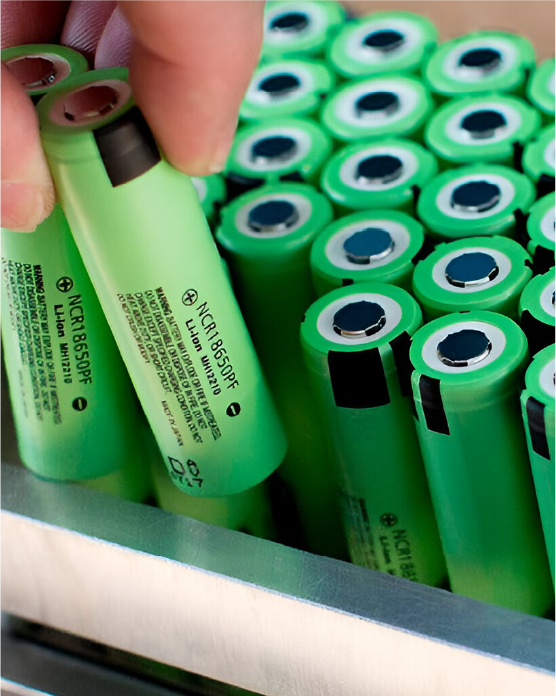
In manufacturing settings that prioritize accuracy and structural consistency, Propylene Carbonate contributes to balanced chemical interaction and dependable material response.
Its compatibility with advanced materials supports integration into established systems without introducing process variability. This strengthens predictability across technically sensitive operations, particularly in battery technologies and high-performance component manufacturing.
This supports processes where small deviations can impact final output, helping maintain alignment between expected performance and actual results during production.
Get Your Answers